






RELOCATING TO THE FLAVOURFUL MELTING POT OF INDIA
.jpg)
Introduction
India vs. Other Countries
Climate: India's climate varies widely, from the tropical heat of the south to the Himalayan cold of the north. This can be a shock to newcomers, particularly if you're not used to extreme weather conditions.
Culture: Indian culture is complex and rich, with influences from Hinduism, Islam, Buddhism, Jainism, Sikhism, and Christianity. There is also a strong caste system in place, which can be confusing for outsiders.
Language: With 22 official languages and over 1,600 dialects spoken across the country, language barriers can be a big challenge in India. Even if you speak one of the major languages like Hindi or Bengali, you may still find communication difficult due to regional variations.
Infrastructure: India's infrastructure is often quite different from what foreigners are used to. Roads can be crowded and chaotic, public transport is often unreliable, and power outages are not uncommon.
Society: Indian society is hierarchical and family-oriented. Relationships are based on mutual respect and deference to elders. This can be unfamiliar for those coming from more individualistic cultures.
Food: Indian cuisine is renowned for its variety and flavor. While some dishes may seem familiar, it's important to remember that spices and ingredients can vary from region to region.These are just a few differences between India and other countries. If you're moving to India, it's important to keep an open mind and be prepared for some culture shock. With patience and adaptation, though, you can be sure to have a rewarding experience!
Interesting Sights Everywhere
When people move to India, they are often surprised by the wealth of interesting sights and experiences that are available everywhere. Even in most urban areas, there are numerous opportunities to see traditional Indian culture.
One of the captivating things about living in India is the huge variety of experiences that are available. No matter where you are, there is always something new and exciting to see. For instance, if you live in a city, you can visit ancient temples and shrines, go on fascinating safaris, or explore bustling bazaars. In case you live in a rural area, you can visit traditional villages, go on safaris, or explore the beautiful countryside.
In addition to the amazing natural scenery, there are also plenty of cultural experiences to be had. One of the best ways to experience traditional Indian culture is by visiting one of the many traditional festivals. These festivals offer a unique opportunity to see dancers, musicians, and other performers in traditional dress and to sample the local cuisine.
India is teeming with interesting sights, both natural and manmade. The temples of Khajuraho, the Taj Mahal, and the beaches of Goa offer a great variety of experiences for the traveler.
Of course, India is not all about temples and beaches. The country has a rich and varied history, which is reflected in its many museums and art galleries. India is also home to a number of unique animals, such as the Bengal tiger, the Indian elephant, and the Indian rhinoceros.
Another great way to experience Indian culture is by visiting one of the many cultural centers. These centers offer exhibits and performances of traditional music, dance, and art. They also often have gift shops where you can buy traditional handicrafts.
No matter what your interests are, India has something to offer. So if you're thinking of moving to India, be prepared for an amazing experience!
The Different Types of People You'll Meet in India
Each group has its own unique set of customs and traditions, which can make for an interesting cultural mix. The locals are proud of their culture and history and are always happy to share it with newcomers. The expats tend to be highly motivated and ambitious, often working in fast-paced industries such as technology or finance. And the tourists bring a sense of adventure and curiosity, eager to experience everything India has to offer.
Conclusion
Our Blogs
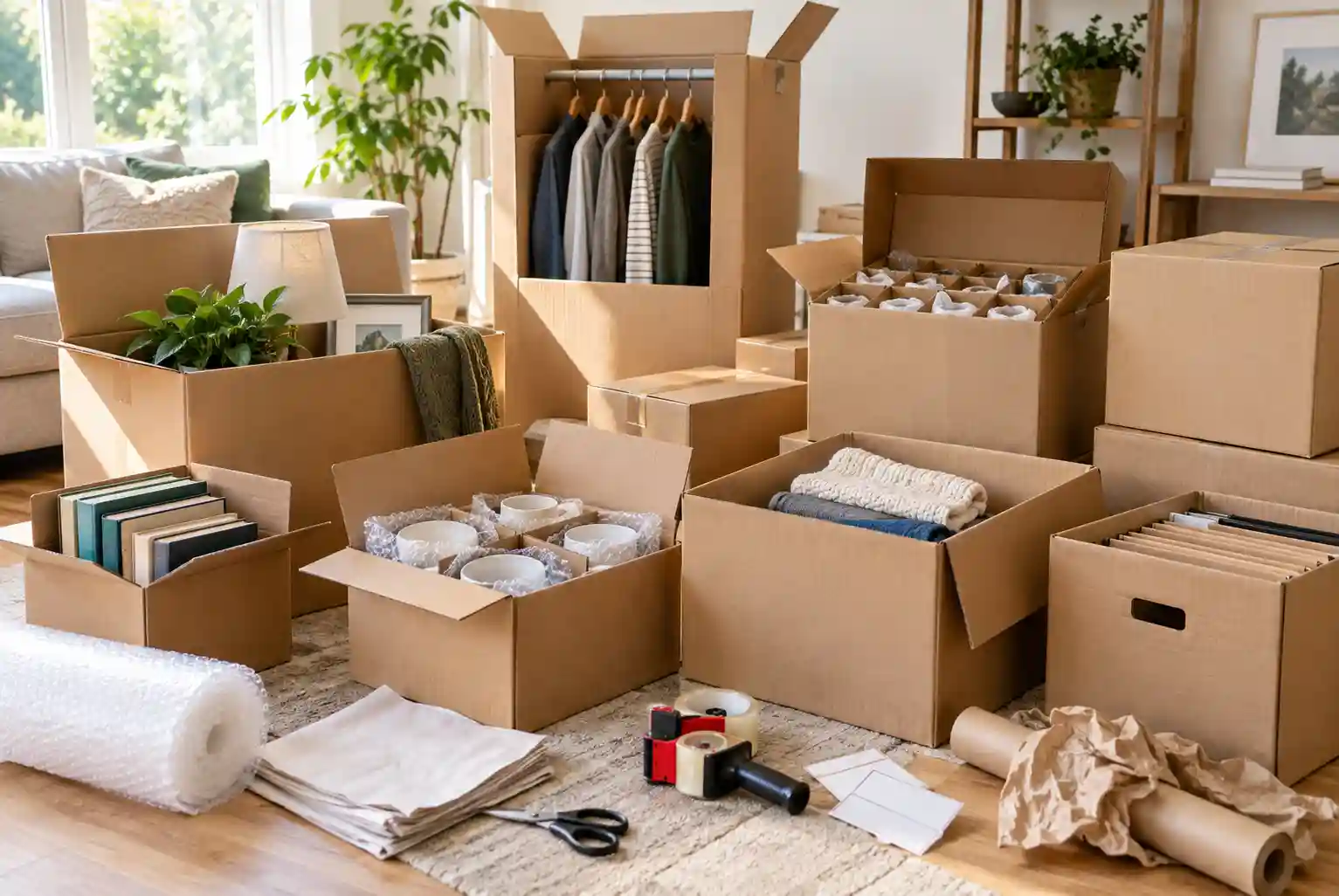
WHAT TYPE OF MOVING BOXES DO YOU NEED? A COMPLETE PACKING GUIDE
Choosing the right moving boxes can make packing safer and easier. This guide explains different moving box sizes, specialty boxes, packing tips, fragile item protection, labelling, and how to choose the best boxes for books, clothes, kitchen items, TVs, mirrors, and other household goods.
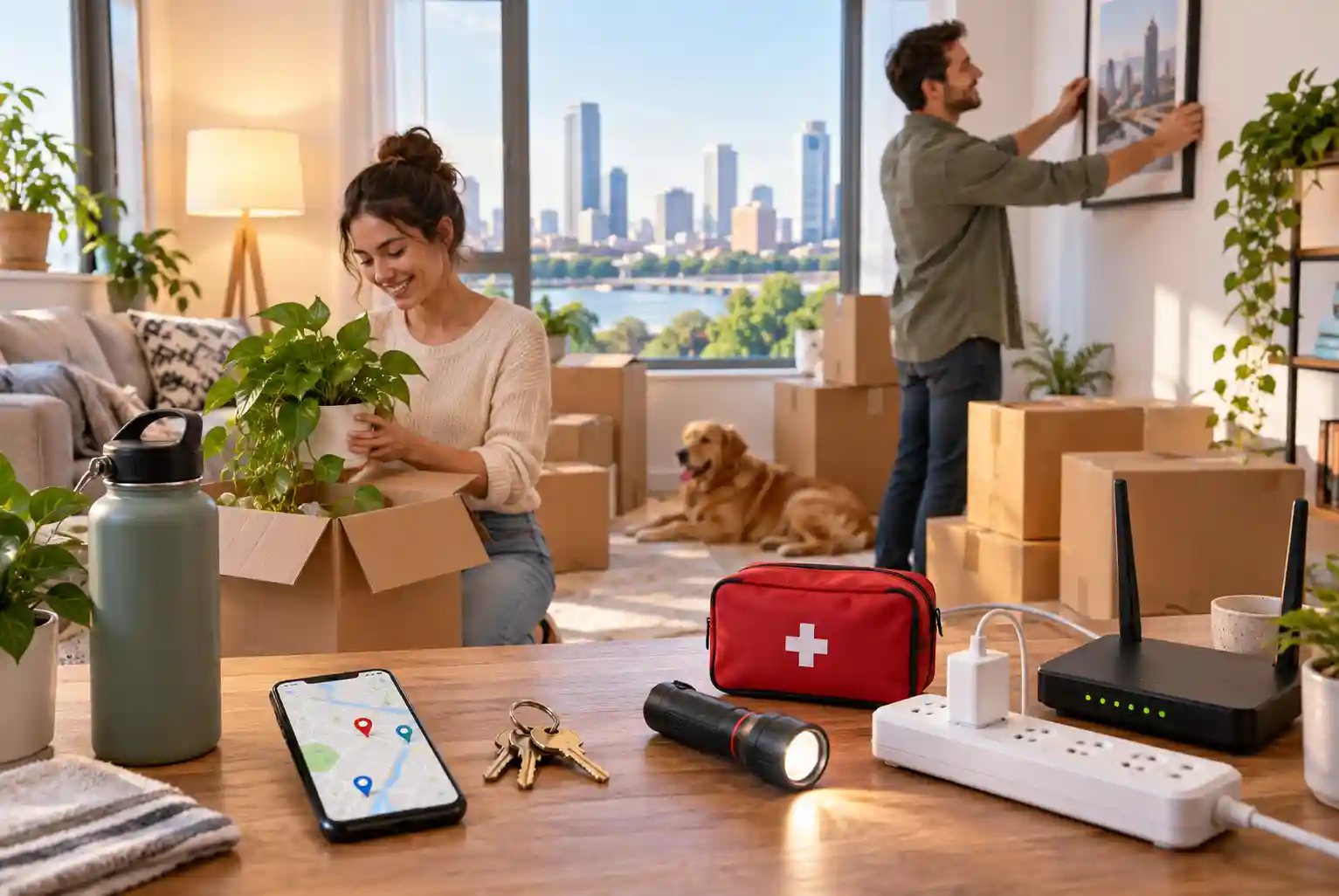
NEW CITY CHECKLIST: WHAT TO DO IN THE FIRST 72 HOURS AFTER MOVING
Just moved to a new city? The first few days can feel overwhelming, especially when you are dealing with utilities, internet setup, local services, neighborhood safety, and emergency contacts all at once. This practical first 72-hour checklist helps you prioritize the most important tasks, get essential services running, understand your surroundings, and settle into your new home with greater confidence and less stress.
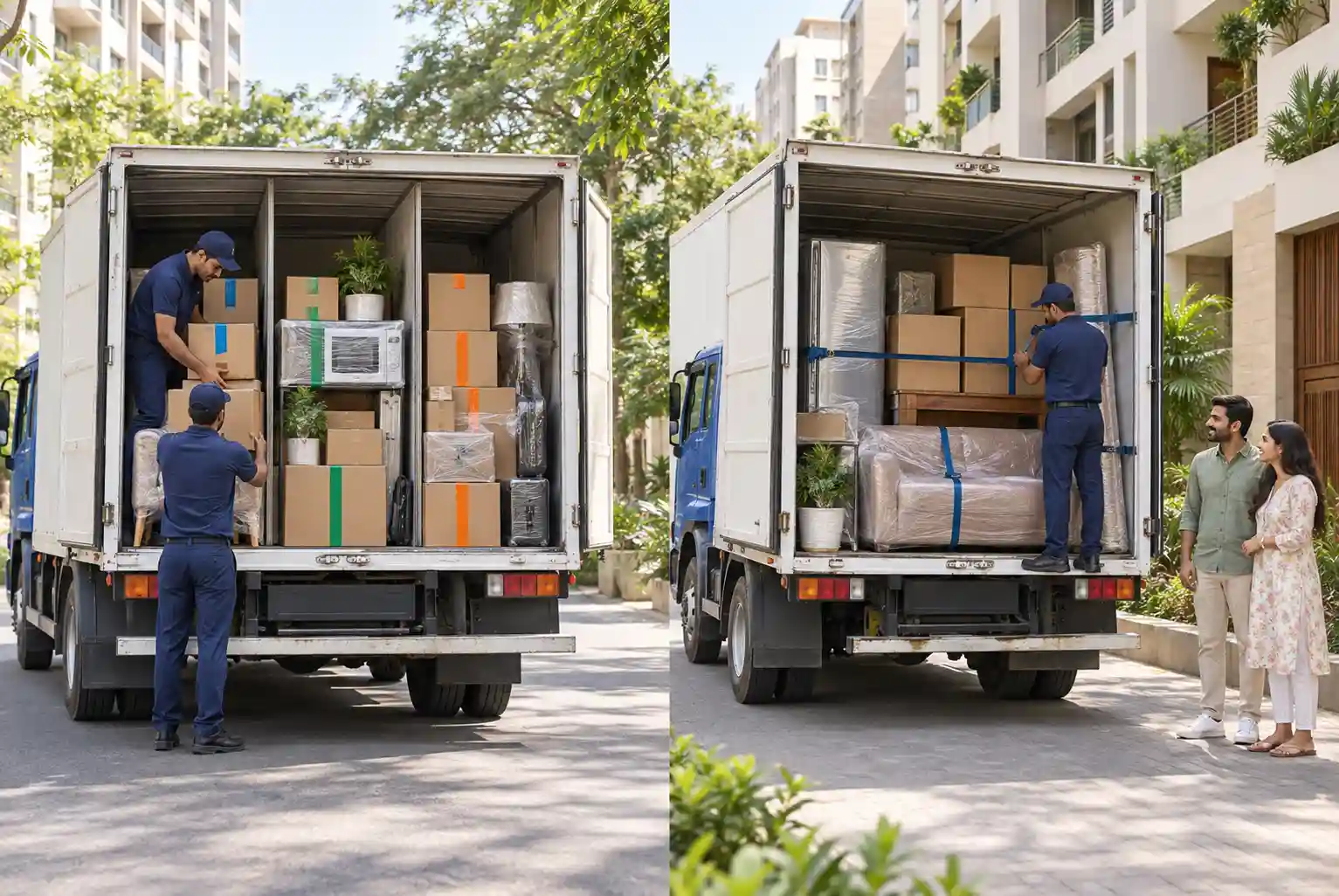
SHARED VS DEDICATED TRUCK: WHICH IS BETTER FOR HOUSE SHIFTING?
Choosing between a shared truck and a dedicated truck is one of the most confusing parts of house shifting. It affects your moving cost, delivery timeline, and how safely your goods reach your new home. In this guide, we break down the real differences between the two options, when each one makes sense, and how to decide what fits your budget and move size best.
 Post Feedback
 Gallery
 Awards & Media
 FAQ
FAQ CSR & Sustainability
.svg)