



10 WAYS TO MAINTAIN HEALTHY HABITS WHILE TRAVELING LONG-DISTANCE

Introduction
Plan your Meals in Advance
Having the right food for traveling work is especially important for frequent travelers, as it provides consistent energy levels and supports productivity.
Keep Hydrated
If you’re flying, remember that airplane cabins have low humidity levels, which can contribute to dehydration. Opt for water or herbal teas instead of caffeine or alcohol to keep your body hydrated and your mind alert.
Prioritize Sleep
A rested body and mind are better placed to grapple with the demands of travel. It is hence one of the integral parts of healthy habits while traveling.
Follow a Travel Exercise Plan
Take breaks every few hours to stretch and move around on road trips. Even small amounts of activity can prevent stiffness and improve circulation.
Maintain Good Posture
Well, this would keep away the pain and keep you cheerful despite the long and tiring journeys.
Packing Smart and Light
This also helps keep all your things well-arranged in case you need any item. Easy-to-access luggage, of course, will contribute to less stressing. Light luggage means you'll easily move about as well.
Balanced Meals
If you are to dine out, then grilled or steamed food items should be the choice rather than fried ones. Thoughtful food choices are part of healthy habits while traveling, and you can enjoy your trip.
Take Breaks to Make Time for Exercise
Regular movement does not only help in circulation but also helps to avoid health problems due to traveling, such as deep vein thrombosis. Keeping yourself active is really essential for your body.
Mindfulness and Stress Management
Mindfulness also teaches you to enjoy the journey and not be worried at the destination. By controlling your stress, you improve your physical and mental health during a long-distance trip.
Stick to your Routine
Consistency will help you not feel overwhelmed when adapting to new environments. This is good, especially when traveling for work or relocating and going to a new place. This allows one to transition easier and feel more comfortable.
Why Healthy Habits Matter During Relocation
Arrive at your destination feeling refreshed and ready to start a new chapter in your life by prioritizing healthy habits while traveling.
Let PM Relocations handle logistics so you may focus on the important things: health and happiness.
Our Blogs
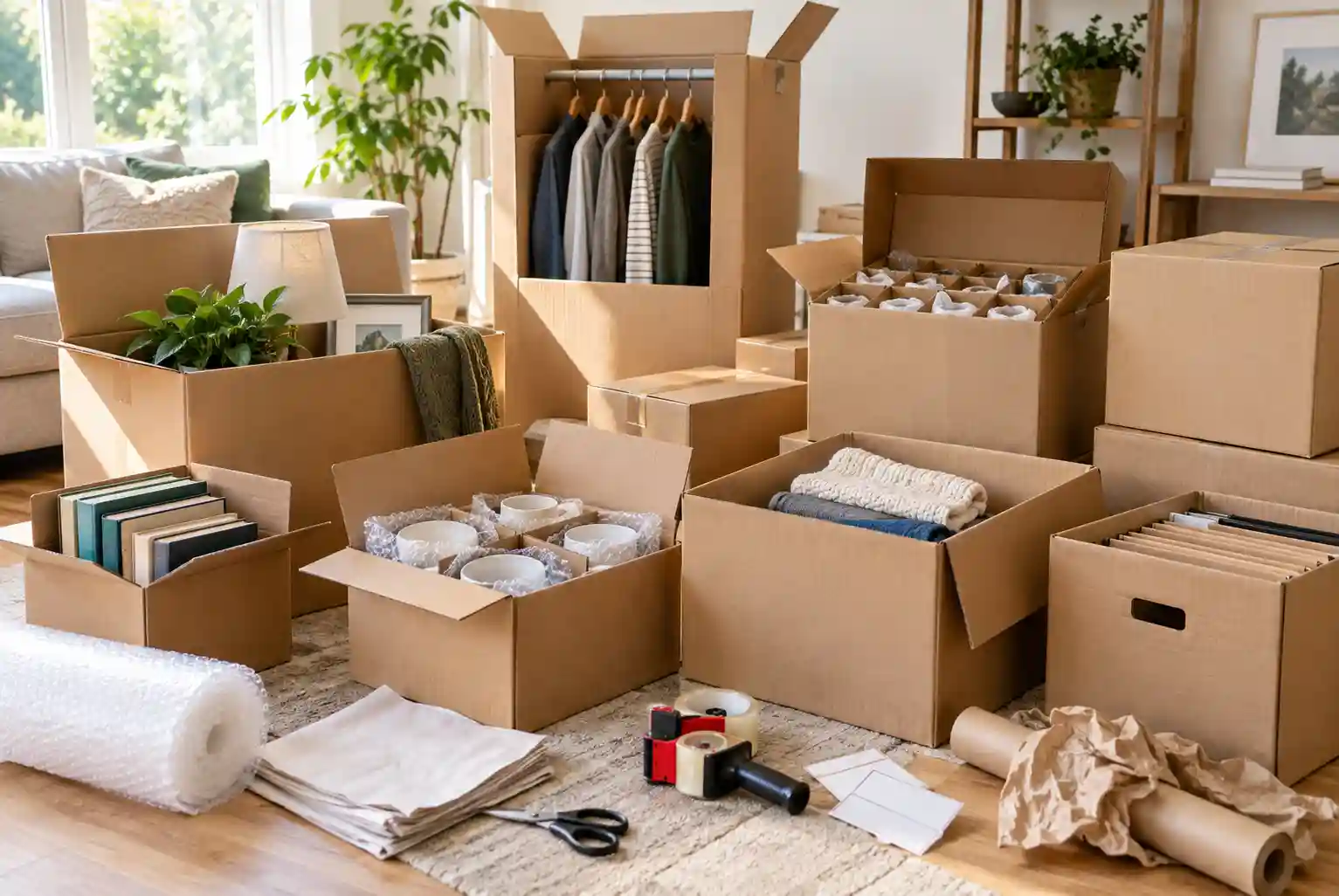
WHAT TYPE OF MOVING BOXES DO YOU NEED? A COMPLETE PACKING GUIDE
Choosing the right moving boxes can make packing safer and easier. This guide explains different moving box sizes, specialty boxes, packing tips, fragile item protection, labelling, and how to choose the best boxes for books, clothes, kitchen items, TVs, mirrors, and other household goods.
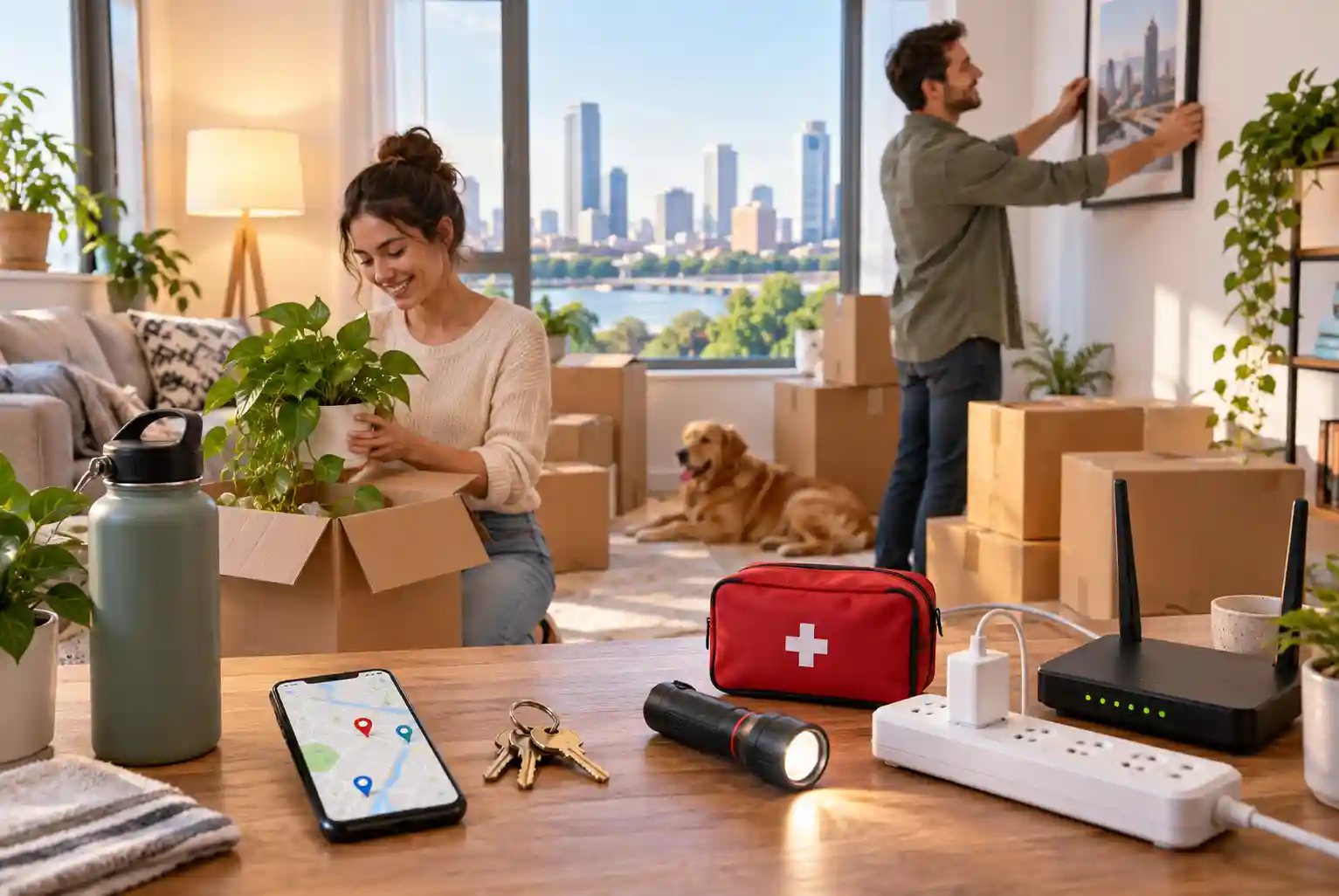
NEW CITY CHECKLIST: WHAT TO DO IN THE FIRST 72 HOURS AFTER MOVING
Just moved to a new city? The first few days can feel overwhelming, especially when you are dealing with utilities, internet setup, local services, neighborhood safety, and emergency contacts all at once. This practical first 72-hour checklist helps you prioritize the most important tasks, get essential services running, understand your surroundings, and settle into your new home with greater confidence and less stress.
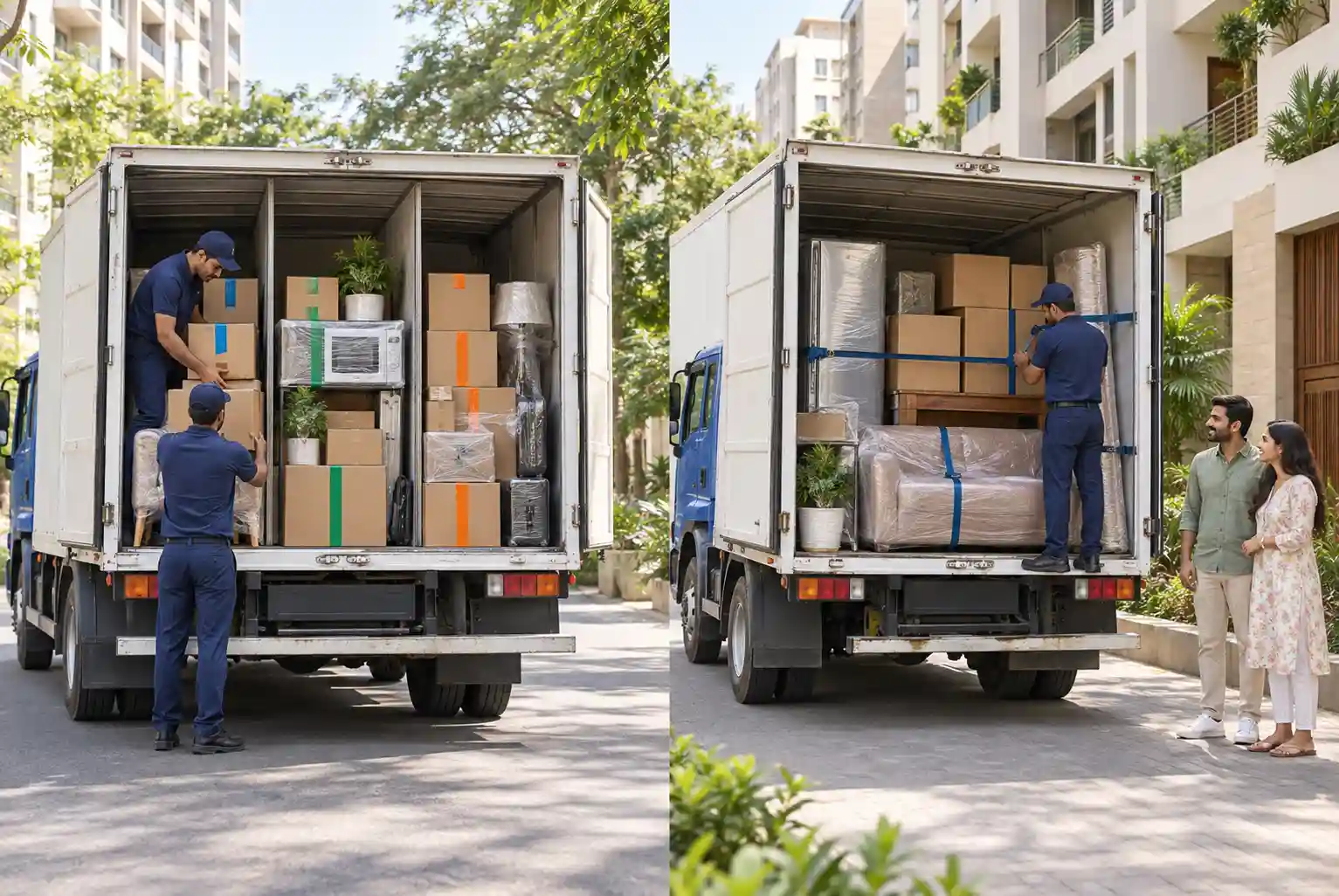
SHARED VS DEDICATED TRUCK: WHICH IS BETTER FOR HOUSE SHIFTING?
Choosing between a shared truck and a dedicated truck is one of the most confusing parts of house shifting. It affects your moving cost, delivery timeline, and how safely your goods reach your new home. In this guide, we break down the real differences between the two options, when each one makes sense, and how to decide what fits your budget and move size best.
 Post Feedback
 Gallery
 Awards & Media
 FAQ
FAQ CSR & Sustainability
.svg)