






A PRACTICAL GUIDE FOR MOVING INTO A RENTAL HOME SMOOTHLY

Introduction
Moving into a rental home is an exciting milestone, whether you’re shifting cities, starting a new job, or simply looking for a more comfortable space. However, the process demands proper planning, clear communication with the landlord, and thoughtful organization to avoid last-minute stress. A well-prepared approach helps you settle effortlessly and ensures your new living space truly feels like home from day one.
What Should You Prioritize Before Moving Day?
Prior to moving, it's essential to get tips for moving into a rental property that align with your lifestyle requirements and expectations. Understanding what to look for in a rental helps you avoid common surprises later. From utility records to documentation to the overall condition of the property, an early assessment saves time and effort.
When you start your rental search, focus on location, accessibility, and security features. These aspects are often ignored, but they can significantly affect your satisfaction. Be sure to understand how maintenance requests are handled, who is accountable for repairs, and how deposits or payments are arranged. Good communication with the property's owner can result in the smoothest move-in experience.
What Should You Inspect Before Finalizing the House?
Before signing any contract, an extensive home inspection is crucial. This involves going over the essential points so you’re aware of the terms you're signing. Examine for structural issues, electrical issues, plumbing leaks, and air conditioning. Also, look at windows, cupboards, doors, locks, and other appliances provided by the landlord.
Take photos or videos of any pre-existing damage. This will help you avoid future disputes regarding security deposits. A clear guideline can also help you design your layout more effectively, especially if you plan to place large appliances or furniture.
Be sure to scrutinize the house using basic rental house inspection tips that emphasize the distinction between landlord and tenant responsibilities. You should be aware of the policy on repairs and who will fix what. For instance, certain owners are responsible for major appliance breakdowns, while minor repairs could fall under the tenant's responsibility.
How Should You Prepare Your Documentation?
If you're comfortable with your home, it's time to arrange your papers. This is when the rental agreement checklist can be extremely useful. Make sure that all terms, rent amount, notice period, deposits, late payment policies, and maintenance clauses are clearly stated in the agreement.
Do not rush through documents. Be sure to read the document carefully and clarify any unclear parts. Many first-time renters skip this step and end up having problems later. Be sure that both parties agree to each page and keep the digital copy for future access. A transparent agreement fosters a smooth, long-term tenant–landlord relationship.
When reviewing documents, be aware of the moving guide for rental properties, which often emphasises verifying property ownership, understanding local rules and regulations, and checking for essential amenities such as parking, water sources, and waste disposal systems.
How Can You Make Your Move-In Day Stress-Free?
With your home finalised and the documentation completed, it's time to begin planning your relocation. One of the most effective steps to help renters is to follow a checklist for moving to a rental. This helps to organize everything, from packing items and updating addresses to organizing transportation and working with packers and movers.
Assign separate boxes for kitchen appliances, toiletries, essentials and broken items. Note everything with a clearly defined label. It is important to arrange utilities such as electricity, Wi-Fi, and gas connections in advance to ensure the home is operational upon your arrival. You should also take a small overnight bag with documents, clothes, and other items you use daily to avoid a mess on the first night.
On the day of the move, follow basic tips such as starting early, putting delicate items aside, overseeing loading, and inspecting the condition of the house again before you settle in. If you're planning a long-distance move, make sure your possessions are properly packed to prevent damage during the move.
What Should You Keep in Mind as a First-Time Renter?
If you're making your first move on your own, understanding these moving tips will be very helpful. Be aware of the budget, other costs, expectations for security deposits and the rules of your neighbourhood. Young renters tend to prioritise interiors over basics like ventilation and security.
After you have moved, take time to get acquainted with the neighbourhood, supermarkets, hospitals, and the commute routes. This will not only make settling easier but also help you build your personal space quickly.
Avoid common mistakes, such as failing to conduct an appropriate inspection, failing to photograph damage, disregarding agreements, or failing to check the maintenance history. Be proactive, and you will save time and money in the future.
How Can You Ensure a Smooth Transition?
A smooth move depends on well-planned and reliable assistance. Many tenants choose to hire the best packers and movers for rental home shifting to ensure a smooth relocation. Professionally trained movers manage moving, packing, and unloading with the utmost attention to detail, reducing the risk of delays and breakages.
They also aid when you're not sure how to move fragile or heavy objects securely. When you're relocating within the same town or moving across the country, professional assistance provides peace of mind.
Once you've settled in, be aware of the things to do before moving into a rental, such as creating emergency contact numbers, recording meter readings, recording the inventory supplied by the property owner, and noting any repairs required. This will ensure you start your new life on a positive note.
Final Thoughts
Moving into a rental home can be much simpler if you prepare in advance, communicate clearly, and keep a checklist. With proper planning, you can move into your new residence with confidence and ease.
And if you’re looking for a reliable partner to help you shift smoothly, PM Relocations (PMR) ensures a hassle-free move with expert packing, secure transportation, and end-to-end support for every tenant.
Our Blogs
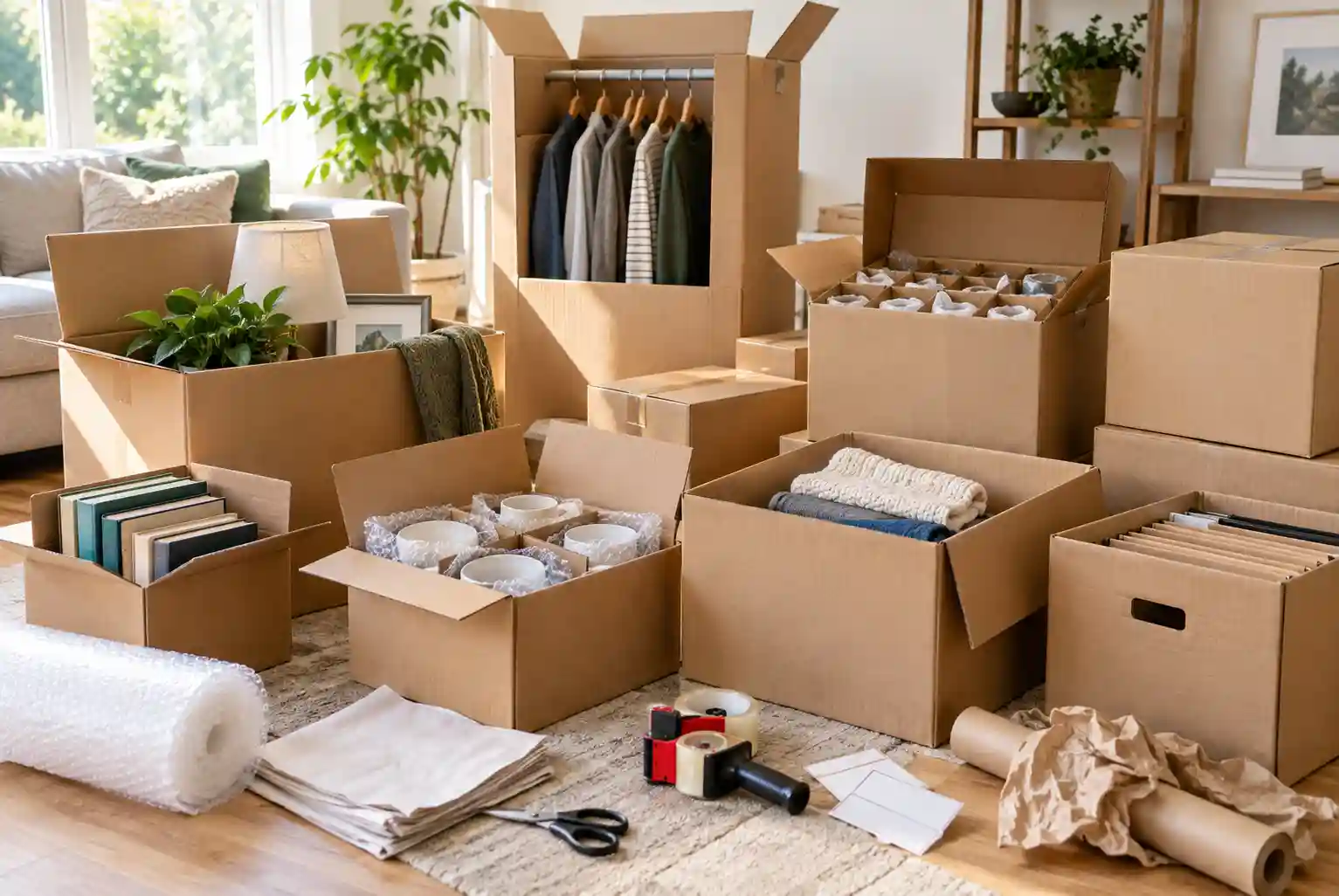
WHAT TYPE OF MOVING BOXES DO YOU NEED? A COMPLETE PACKING GUIDE
Choosing the right moving boxes can make packing safer and easier. This guide explains different moving box sizes, specialty boxes, packing tips, fragile item protection, labelling, and how to choose the best boxes for books, clothes, kitchen items, TVs, mirrors, and other household goods.

NEW CITY CHECKLIST: WHAT TO DO IN THE FIRST 72 HOURS AFTER MOVING
Just moved to a new city? The first few days can feel overwhelming, especially when you are dealing with utilities, internet setup, local services, neighborhood safety, and emergency contacts all at once. This practical first 72-hour checklist helps you prioritize the most important tasks, get essential services running, understand your surroundings, and settle into your new home with greater confidence and less stress.
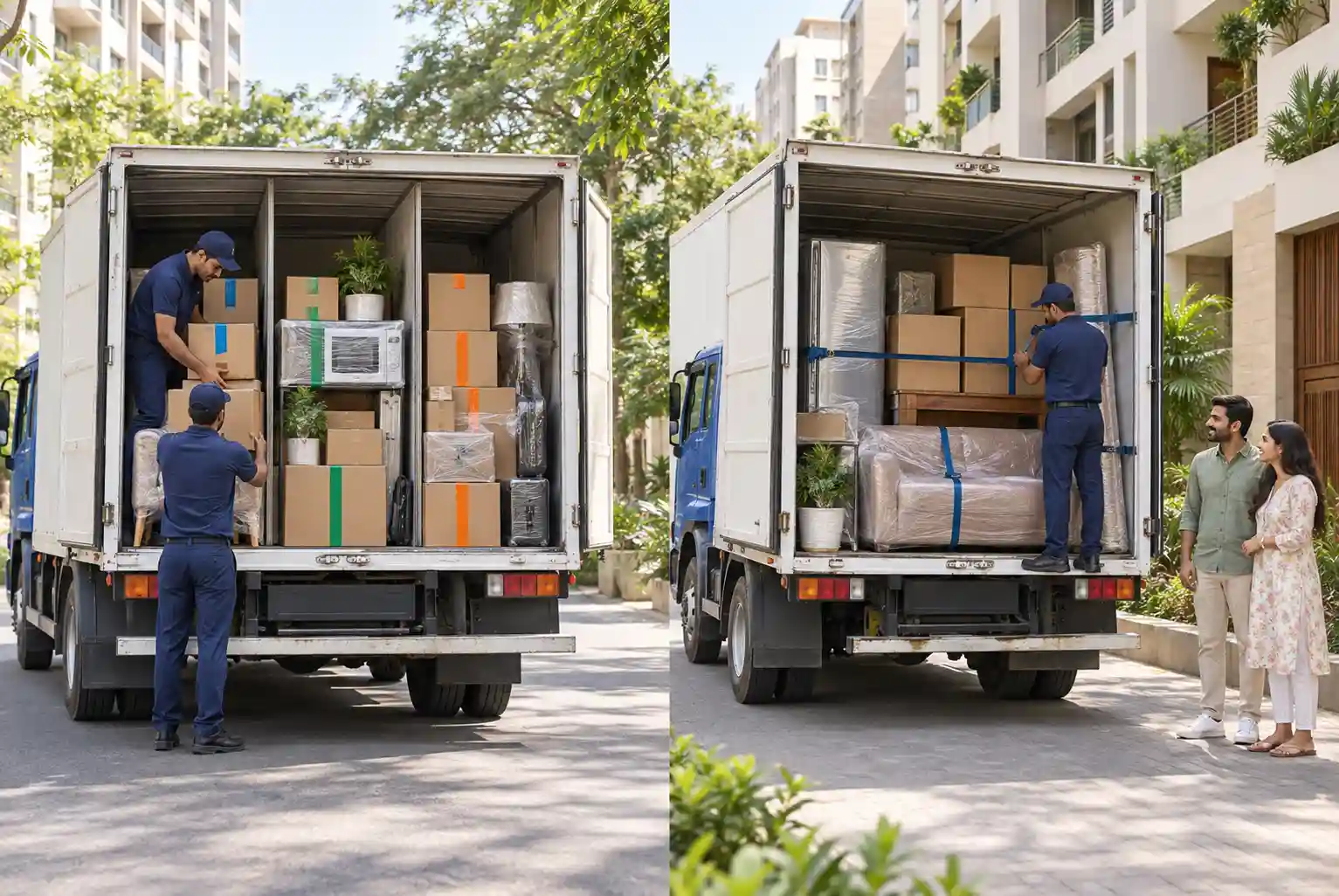
SHARED VS DEDICATED TRUCK: WHICH IS BETTER FOR HOUSE SHIFTING?
Choosing between a shared truck and a dedicated truck is one of the most confusing parts of house shifting. It affects your moving cost, delivery timeline, and how safely your goods reach your new home. In this guide, we break down the real differences between the two options, when each one makes sense, and how to decide what fits your budget and move size best.
 Post Feedback
 Gallery
 Awards & Media
 FAQ
FAQ CSR & Sustainability
.svg)