




HOW INSURANCE SAFEGUARDS YOUR BELONGINGS DURING A HASSLE-FREE MOVE

Introduction
Relocating to a new town or house is an overwhelming and thrilling experience. Whether it's a local move or an overseas move, safety for your items needs to be among your foremost thoughts. One of the top methods of securing your belongings is via the purchase of moving insurance to cover loss or damage in transport. An efficacious relocation accompanied by correct relocation insurance can quite effectively reduce strain and provide ease of transfer.
Why is Moving Insurance Necessary?
Though professional movers exercise extreme care while handling goods, accidents, theft, or natural disasters can still happen. Household goods insurance covers such incidents, providing you with financial assurance and peace of mind. Just think about your furniture, appliances, or treasured family heirlooms getting broken by poor handling or an accident. With no moving insurance, you would have to shell out the cost of replacement or repair yourself.
Various Kinds of Moving Insurance
Knowing the kinds of moving insurance coverage will help you make the right choice:
- Full-Value Protection:
- Reimburses for the entire replacement or repair value of lost or damaged contents.
- Higher premium but offers total financial protection
- Released Value Protection:
- Included at no extra charge but covers very little.
- Repays according to item weight, not value.
- Third-Party Moving Insurance:
- Sponsored by independent insurers for extra protection.
- Insures damages above what regular moving company policies cover.
There are various types available, each providing varying degrees of security, which is why the choice of what to use will depend on how much your valuables are worth.
What is Covered by Moving Insurance?
Movers often wonder, "What is covered by moving insurance?" The following is usually covered:
- Mishandling or accidental damage
- Loss through theft or misplacement
- Natural disasters such as floods, earthquakes, or fires
However, the majority of policies do not cover damages caused by improper packing, so it is advisable to have professional moving services for complete security. However, there are some items that companies do not cover under insurance, like food items, laptops, and other high-risk valuables. You need to discuss the particular exclusions with your packers and movers and get additional protection for such items.
How to Select the Best Moving Insurance
Choosing appropriate insurance for moving items entails several factors:
- Determine the overall value of your items.
- Compare various providers' policies.
- Read the terms and conditions attentively to be aware of exclusions of coverage.
- Look into extra coverage for valuable or sensitive items.
If you're moving internationally, you might also require insurance for international moves, which insures against risks related to customs and overseas transit.
How do you make a Moving Insurance Claim?
In the event of loss or damage, reporting the claim immediately is important. Here's how you can do it effectively:
- Check Your Stuff: Inspect for damages immediately after the move is over.
- Document the Damage: Capture photos and retain receipts of expensive items.
- Report the Issue: Alert your moving firm and insurance company immediately.
- Submit Required Documents: Complete the claim form with evidence of damage.
- Follow Up: Keep in contact with your insurer to hasten processing.
A properly documented claim accelerates the resolution process and guarantees that you get your compensation without unnecessary delays.
Stress-Free Move with Proper Insurance
A worry-free relocation insurance policy not only compensates for losses but also reduces tension. To further secure a seamless moving experience, follow these:
- Make a moving checklist to remain organized.
- Follow professional relocation advice to lower risks.
- Use professional packers to prevent improper packaging damage.
Having a solid insurance policy can turn a stressful moving experience into a smooth and secure one.
Final Thoughts: Move Safely with PMR
Relocation is a scary experience, but with some planning and insurance for moving belongings, you can secure your valuables and enjoy a hassle-free relocation experience. At PM Relocations, we cherish the safety of your belongings during transit. Our experts offer expert packing, handling, and insurance solutions to ensure your move is safe and stress-free. Call us now to learn more about our comprehensive solutions and enjoy a hassle-free move!
Our Blogs

CORPORATE RELOCATION VENDOR SELECTION: A PRACTICAL CHECKLIST FOR PROCUREMENT TEAMS
Choosing the right corporate relocation vendor is key to a safe, smooth, and cost-effective move. This practical guide helps procurement teams compare moving companies based on pricing, experience, insurance, compliance, and service quality. Explore essential vendor selection tips, avoid common mistakes, and find a reliable relocation partner for your business.
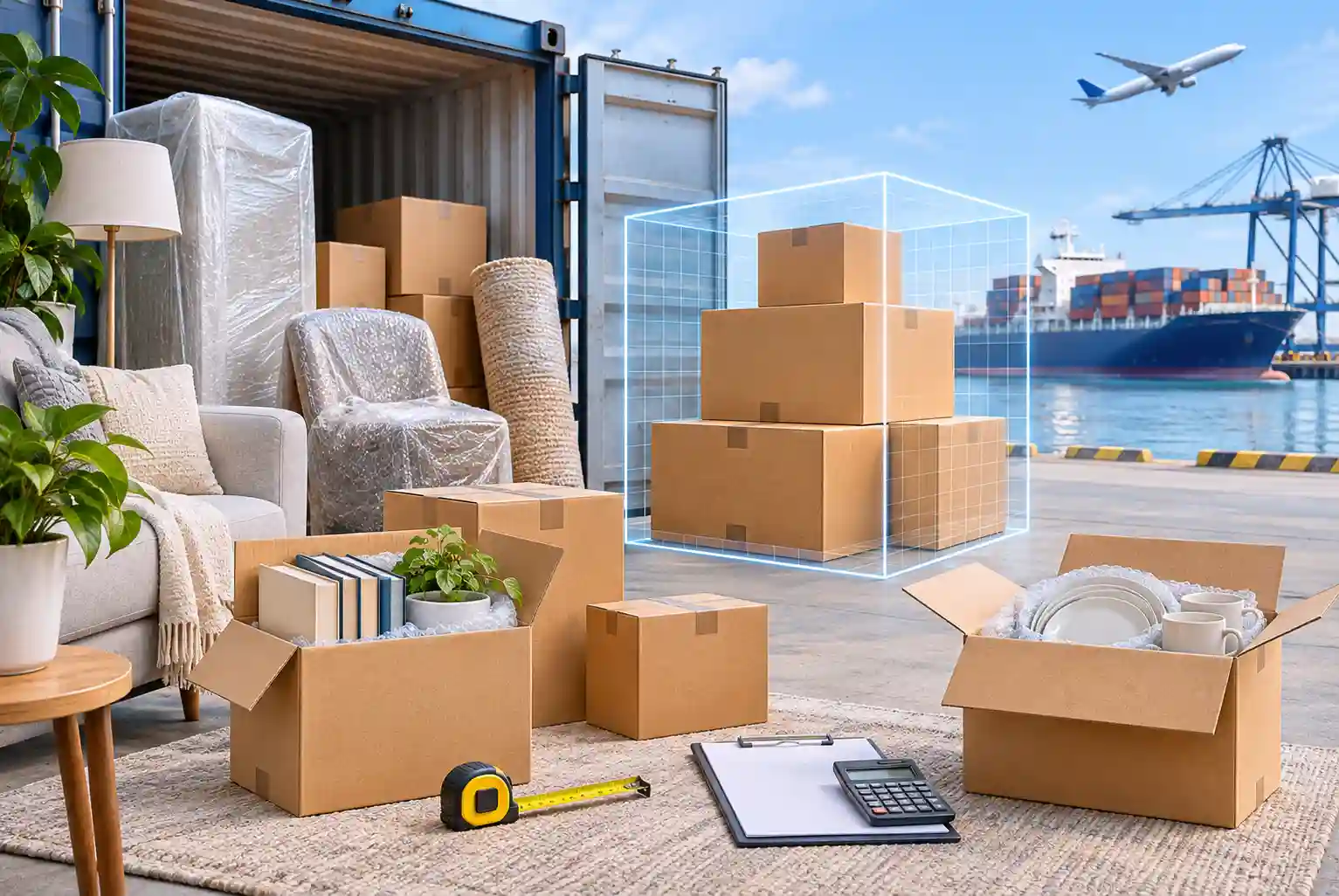
INTERNATIONAL MOVING VOLUME EXPLAINED: HOW CUBIC METRES AFFECT YOUR SHIPPING QUOTE
Planning an international move? Understanding **international moving volume** and **cubic metres (CBM)** can help you estimate shipping costs more accurately. Learn how CBM affects your international moving quote, what influences sea and air freight charges, and practical ways to reduce shipping volume. Explore useful tips for a smooth and cost-effective overseas relocation with PM Relocations.

SEA FREIGHT VS AIR FREIGHT: WHICH IS BETTER FOR YOUR INTERNATIONAL RELOCATION?
Planning an international relocation? Choosing between sea freight and air freight depends on your budget, shipment size, and delivery needs. Sea freight is ideal for large household moves, while air freight is better for urgent shipments. Explore shipping costs, delivery times, customs requirements, and useful tips to choose the best option for a smooth and affordable international move.
 Post Feedback
 Gallery
 Awards & Media
 FAQ
 CSR & Sustainability
.svg)