






MOVING TO A SMALLER SPACE? HOW TO MAKE THE MOST OF EVERY INCH
Introduction
Moving to a smaller space can feel overwhelming at first. Whether you are downsizing your home due to lifestyle changes, work relocation, or simply seeking a cozier living environment, the challenge lies in adjusting to less square footage without feeling cramped. Small space living requires thoughtful planning, creativity, and a willingness to let go of excess. The key is not just to reduce clutter but also to focus on maximizing storage so that your new home feels organized, comfortable, and functional.
Step 1: Assess Your Belongings
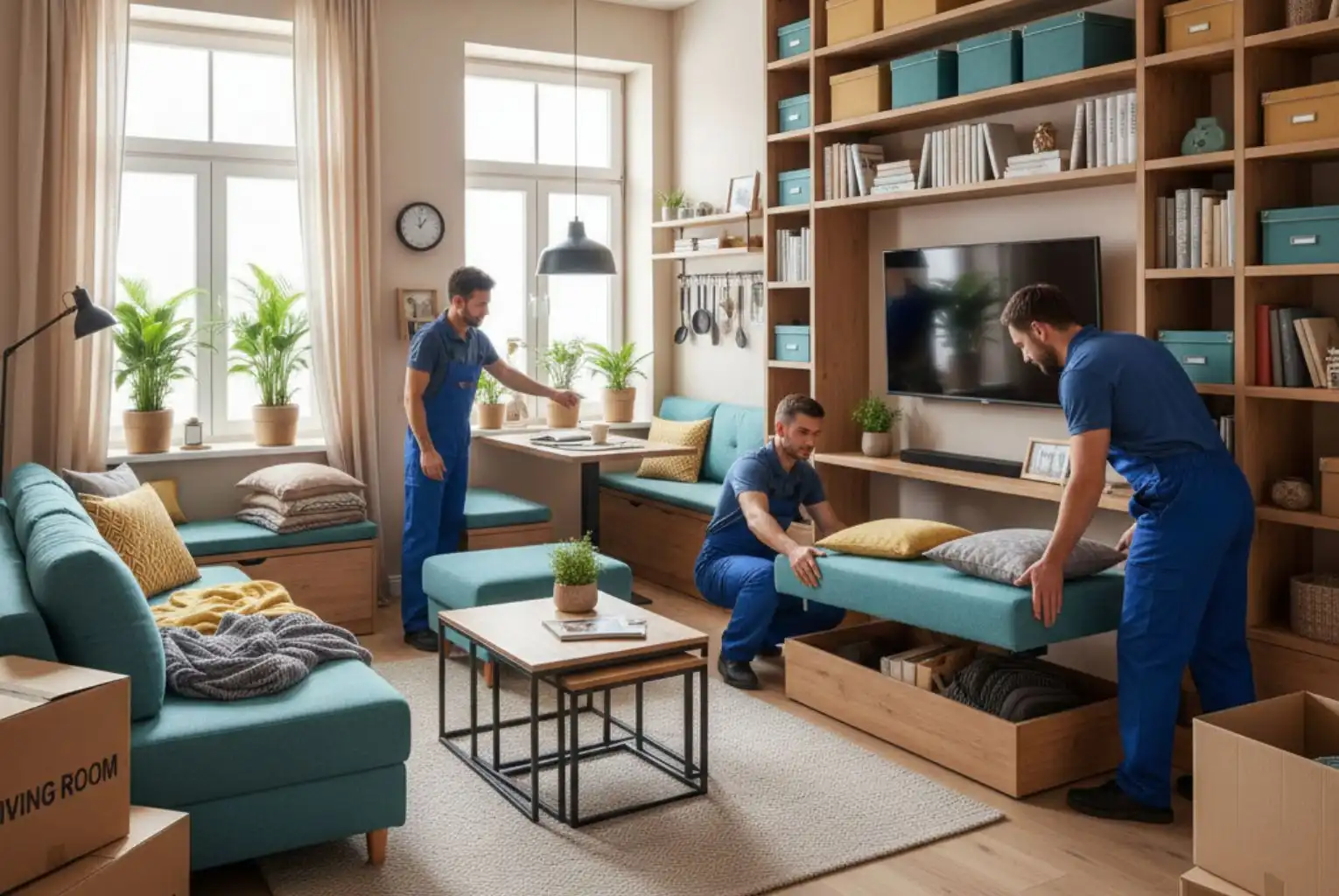
The first step to make the transition easily is to evaluate your possessions. You should take inventory of what you need and frequently use. Things that can be used for multiple purposes are the best choice for smaller spaces. For instance, think about furniture with built-in storage space or foldable pieces that can be stored away when not being used. Utilizing these space-saving storage solutions will ensure that every square inch can be utilized effectively without sacrificing the aesthetics.
Step 2: Embrace Decluttering and Minimalism
Decluttering is crucial when moving to a smaller space. Minimalism helps create a sense of openness and reduces visual clutter. Begin by separating items into donate, keep, or trash piles. Focus on sentimental items sparingly; you can preserve memories through photos rather than physical objects. Making use of minimalist tips while moving will make the transition easier and your home airy despite the smaller area.
Step 3: Creative Storage Solutions
Storage solutions must be practical and innovative. Vertical storage can be a game-changer for homes with small spaces. Use tall shelves, wall-mounted racks, and hooks to free up floor space. Over-door organizers, under-bed storage and multi-functional furniture such as ottomans with hidden compartments inside will allow you to have more space without crowding your living space. Understanding how to manage your space when you are moving to a smaller area allows you to stay in touch and keep your home neat.
Step 4: Organize Your Kitchen Efficiently
Kitchens are often a major problem in a smaller living space. Make a list of the essentials and make use of organizers such as pull-out trays, stackable containers and magnetic racks to store utensils and kitchen spices. Small appliances can be tucked away on shelves or cabinets to maximize the counter space.
Step 5: Optimize Closet and Clothing Storage
Closet organization is also important. Utilize slim hangers to increase capacity, put shelf dividers, and put hooks on the doors for accessories. Seasonal clothing can be put away in bags that are vacuum sealed or under bed drawers that can be used to free up space. These tips for small space storage make sure that your possessions are neatly organized, easily accessible and do not intrude upon living spaces.
Step 6: Smart Furniture Choices for Living Areas
Bedrooms and living rooms are great places to make smart furniture options. Consider sofas that conceal storage space, beds that have drawers beneath, and coffee tables that double as storage units. A floating or wall-mounted shelf may help show off your décor without taking up floor space. When you're planning your move, think about coffee tables that double as storage units for maximum functionality, without taking up too much space.
Step 7: Maximize Bathroom Storage
Bathrooms are usually small, and they can quickly become messy. Install shelves over the toilet, hang organizers for bathroom products, and invest in a stackable basket. Containers with drawers and dividers are a great way to store your necessities efficiently. These tiny tips for organizing your apartment will make the tiniest bathroom feel spacious and functional.
Step 8: Adjust Your Mindset
Another aspect to consider when moving to a smaller space is mindset. Take advantage of flexibility and think creatively about every angle. Items like foldable tables, nesting chairs, and modular storage units allow your home to adapt to changing needs. Digital solutions, like scanning documents rather than keeping paper copies, reduce physical clutter.
Step 9: DIY Storage Projects
For those who enjoy DIY projects, creating customized storage can be both fun and rewarding. Floating shelves, pegboards, and labelled baskets give a personal touch while enhancing usability. Investing time in these small details pays off in the long run, ensuring that your downsized home remains organized and visually appealing. If you are seeking the best storage hacks for small homes, exploring online resources and home décor communities can provide valuable inspiration.
Step 10: Smart Planning for a Smooth Transition
Finally, remember that moving into a smaller space, isn't just about stuffing everything in every corner. It's about creating a space that is functional and attractive. If you take the time to plan your layout, decluttering and deciding on a variety of storage options, you will be able to take advantage of a more spacious home without having to sacrifice your comfort.
Transitioning to a smaller home can be an exciting opportunity to reconsider your lifestyle, simplify your daily routines, and concentrate on what is important. With these suggestions, you can transform moving to a smaller space into a pleasant experience, making the most of storage space while keeping your home clean, organised and a comfortable living space.
For expert assistance with your move and guidance on organising your new home, PM Relocations offers comprehensive relocation services to ensure a seamless transition.
Our Blogs
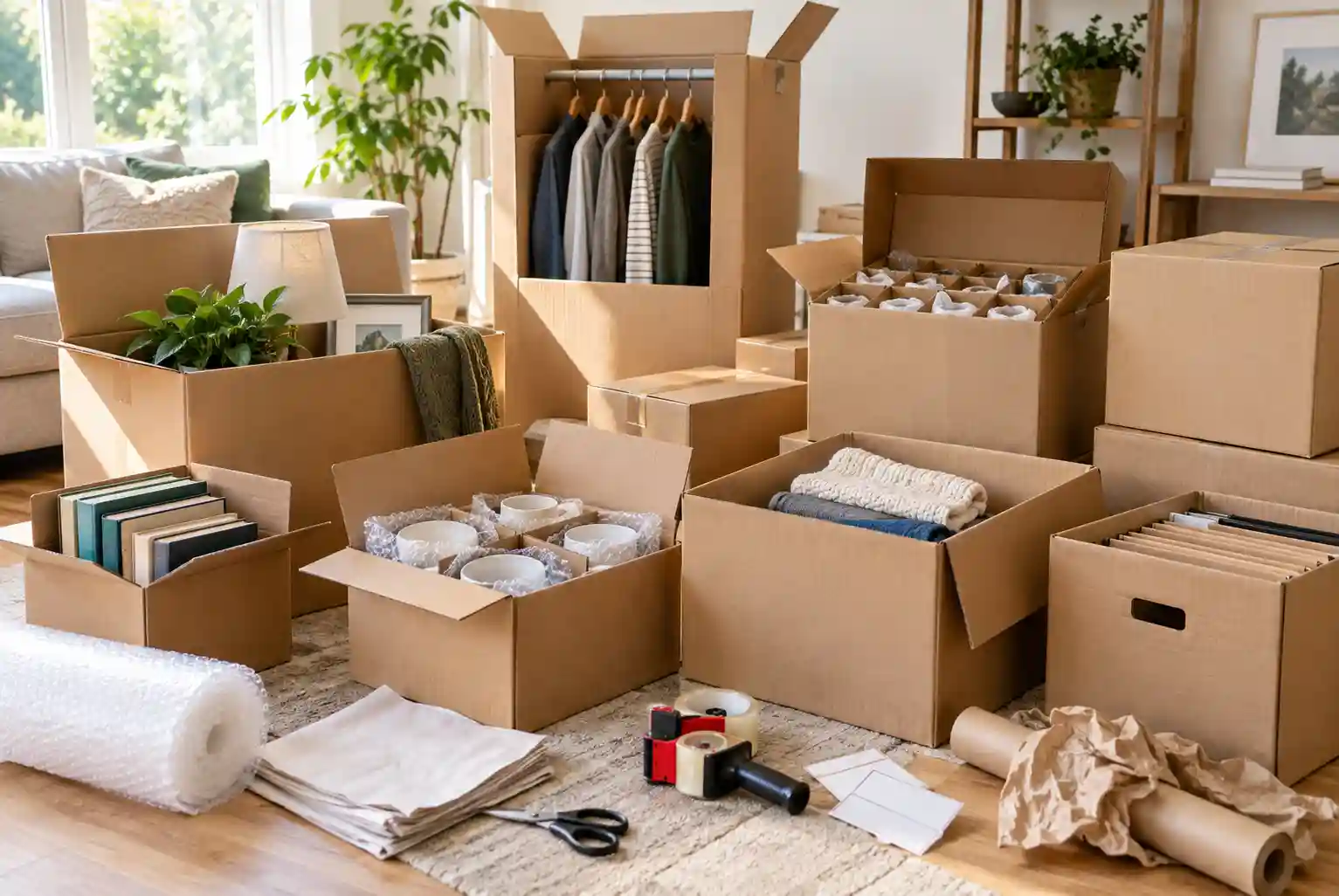
WHAT TYPE OF MOVING BOXES DO YOU NEED? A COMPLETE PACKING GUIDE
Choosing the right moving boxes can make packing safer and easier. This guide explains different moving box sizes, specialty boxes, packing tips, fragile item protection, labelling, and how to choose the best boxes for books, clothes, kitchen items, TVs, mirrors, and other household goods.

NEW CITY CHECKLIST: WHAT TO DO IN THE FIRST 72 HOURS AFTER MOVING
Just moved to a new city? The first few days can feel overwhelming, especially when you are dealing with utilities, internet setup, local services, neighborhood safety, and emergency contacts all at once. This practical first 72-hour checklist helps you prioritize the most important tasks, get essential services running, understand your surroundings, and settle into your new home with greater confidence and less stress.
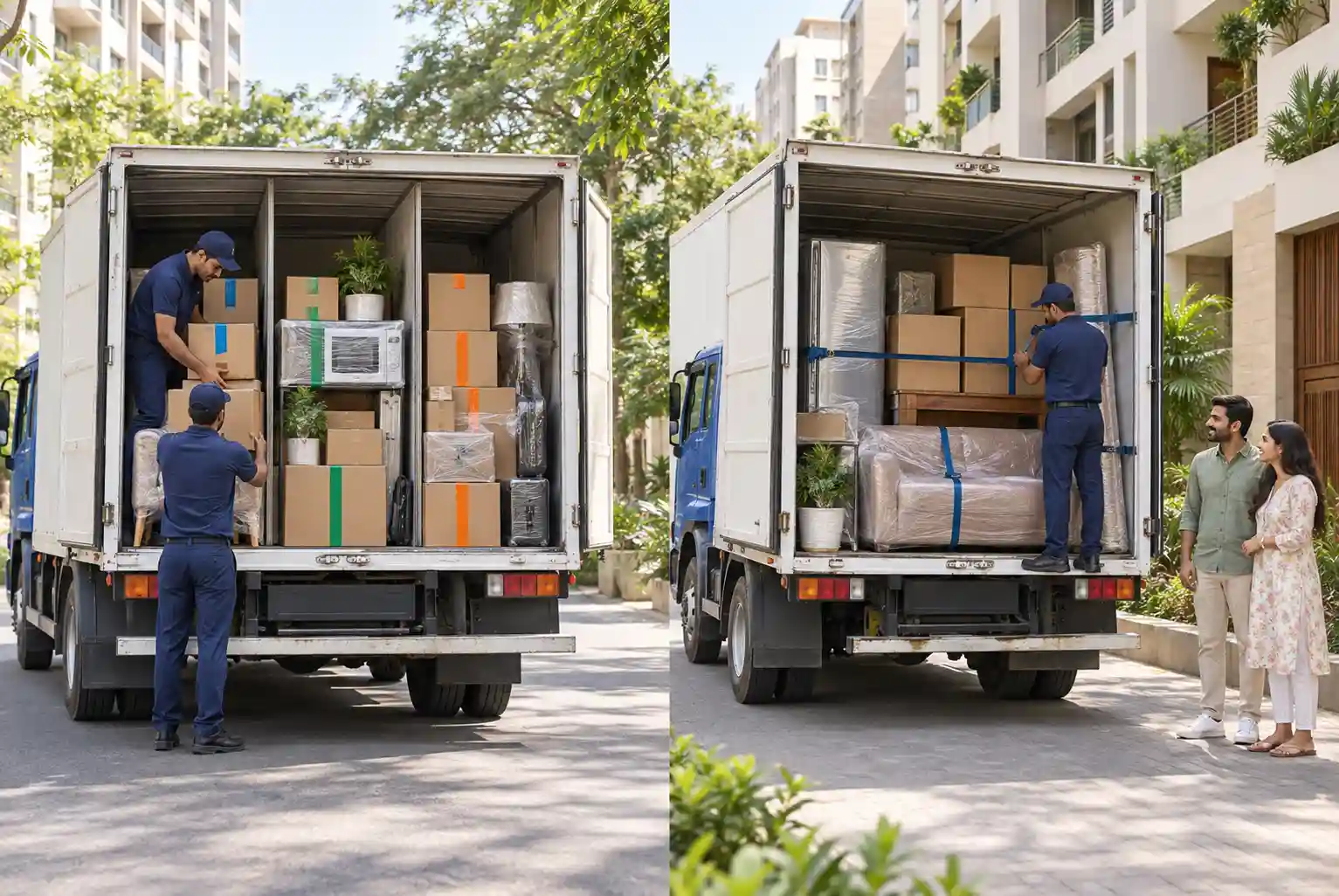
SHARED VS DEDICATED TRUCK: WHICH IS BETTER FOR HOUSE SHIFTING?
Choosing between a shared truck and a dedicated truck is one of the most confusing parts of house shifting. It affects your moving cost, delivery timeline, and how safely your goods reach your new home. In this guide, we break down the real differences between the two options, when each one makes sense, and how to decide what fits your budget and move size best.
 Post Feedback
 Gallery
 Awards & Media
 FAQ
FAQ CSR & Sustainability
.svg)