





WHAT’S THE REAL COST OF LIVING IN BANGKOK – AND HOW TO GET A WORK PERMIT

Introduction
Whether you are an expat relocating long-term or a working professional relocating for career purposes, this in-depth guide will help you know about costs, accommodation, day-to-day living, and law in Bangkok.
What Is the Cost of Living in Bangkok for Expats?
On average, a solo person could spend THB 30,000–50,000 per month ($850–$1400 USD) on rent, food, electricity, transportation, and entertainment.
How Much Does It Cost to Live in Bangkok Comfortably?
- Rent: THB 10,000–40,000 ($280–$1150) depending on the location and type of
- Utilities: THB 1,000–3,000 ($30–$85)
- Food: Food in Bangkok is cheap. Local street food costs THB 40–100 ($1–$3), while Western restaurants have prices of THB 300+ ($8+).
- Transportation: Traveling using public transport is inexpensive; the cost of transportation in Bangkok is approximately THB 1,000–2,000 per month ($28–$55).
Apartment Rent Cost in Bangkok: Rental Tips
- Studio flat in cheap neighborhood: THB 8,000–15,000
- 1-bedroom condo in central city: THB 20,000–35,000
- 2-3 bedroom family homes in expat areas: THB 40,000–80,000+
Expenses in Bangkok: What Else to Budget?
- Internet & Mobile: Approximately THB 700–1,000 per month
- Gym Membership: Approximately THB 1,500/month
- Entertainment & Dining Out: THB 3,000–6,000
- Healthcare: Healthcare costs in Bangkok range from THB 500 for a regular consultation to thousands for private hospital care.
- International health insurance is strongly advised for expats.
Cost of Schools in Bangkok.
- Local Thai schools: THB 20,000–50,000 annually.
- Bilingual/International schools: THB 200,000–800,000+ per year.
Bangkok Work Permits: What You Need to Know
So, how to obtain a work permit in Bangkok?
Work Permit Requirements Bangkok: Required Documents and Conditions
To get one, you must first possess a non-immigrant "B" visa and a job offer from a Thai employer. Bangkok work permit requirements include:
- Valid Non-Immigrant B Visa
- Passport (it must be valid for at least 6 months)
- Educational qualifications
- Employment contract
- Company documents (VAT registration, business license, etc.)
Bangkok Work Visa Process: Step-by-Step
- Secure a job and receive the necessary documents.
- Apply for a Non-B visa at a Thai embassy (outside Thailand).
- Come into Thailand and obtain a work permit at the Ministry of Labour.
- Obtain your work permit and have your visa extended to one year.
- Check-in every 90 days with immigration (or apply online).
What Are the Work Permit Rules in Bangkok?
Also, remember that the average income for expats could range from THB 50,000–150,000 per month, depending on the occupation.
Best Residential Areas in Bangkok
- Sukhumvit: Convenient, some nightlife and family-oriented.
- Silom/Sathorn: Popular with professionals and close to business parks.
- Ari: Trendy, green, and quieter with excellent cafes and co-working spaces.
- Bang Na: Family-friendly and close to an international school.
Final Thoughts: Is Moving to Bangkok Value for Money?
Whether you’re a solo traveler, a digital nomad, or a relocating family, the relocating to Bangkok cost is manageable with the right planning. Understanding the cost of living in Bangkok for expats and how to handle the Bangkok work permit process will make your move much easier and stress-free.
Need Help with Your Move? Let PM Relocations Take Care of It
Be it a business relocation, with family, or new beginnings in Bangkok, our professionals guide you with door-to-door worldwide moving, housing search, and settling-in services.
Whether a business move, with family, or a new start in Bangkok, our experts accompany you with door-to-door global moving, housing finding, and settling-in solutions. Make your move to Bangkok easy and hassle-free. Contact PM Relocations now!
Our Blogs

WHAT TYPE OF MOVING BOXES DO YOU NEED? A COMPLETE PACKING GUIDE
Choosing the right moving boxes can make packing safer and easier. This guide explains different moving box sizes, specialty boxes, packing tips, fragile item protection, labelling, and how to choose the best boxes for books, clothes, kitchen items, TVs, mirrors, and other household goods.

NEW CITY CHECKLIST: WHAT TO DO IN THE FIRST 72 HOURS AFTER MOVING
Just moved to a new city? The first few days can feel overwhelming, especially when you are dealing with utilities, internet setup, local services, neighborhood safety, and emergency contacts all at once. This practical first 72-hour checklist helps you prioritize the most important tasks, get essential services running, understand your surroundings, and settle into your new home with greater confidence and less stress.
SHARED VS DEDICATED TRUCK: WHICH IS BETTER FOR HOUSE SHIFTING?
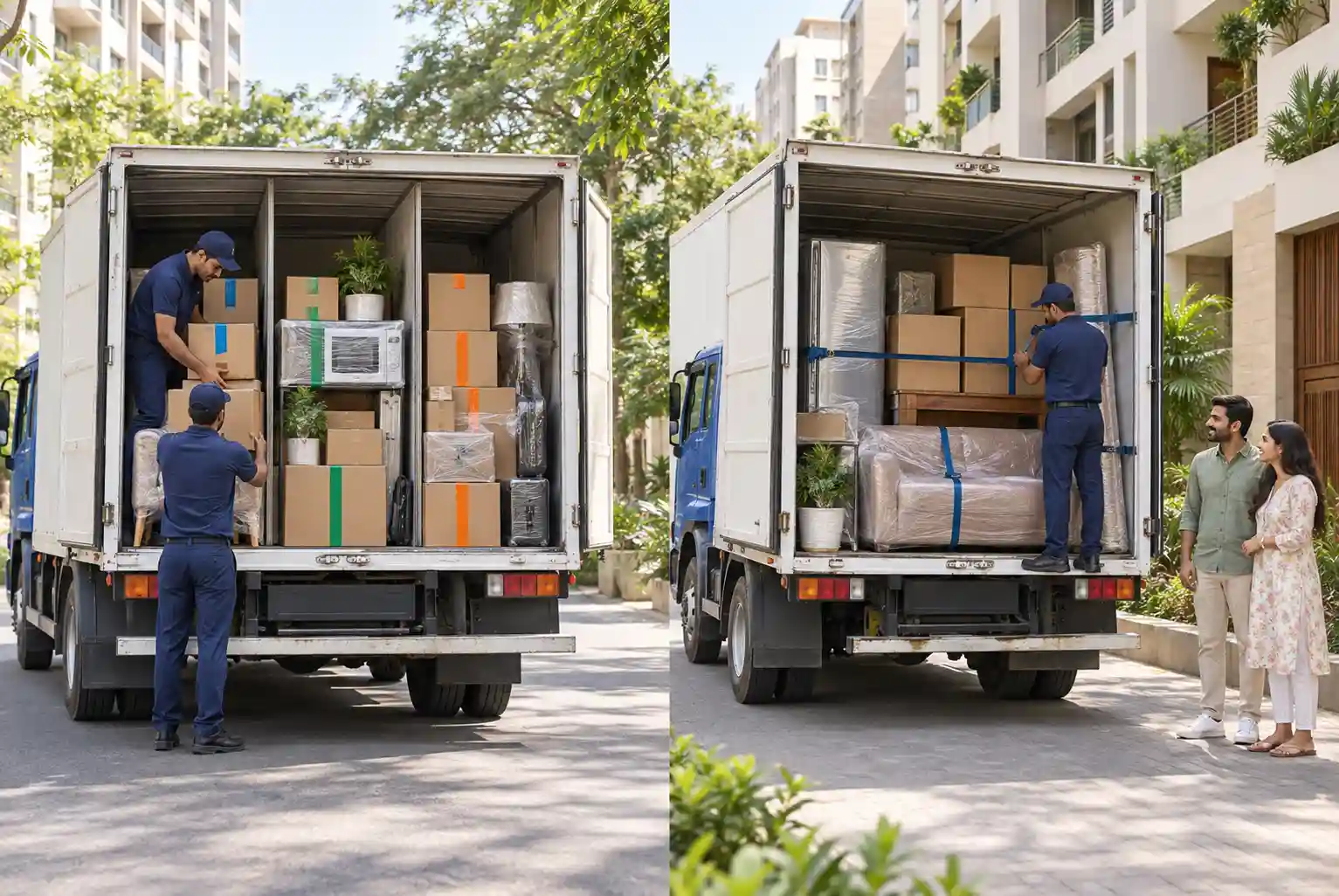
Choosing between a shared truck and a dedicated truck is one of the most confusing parts of house shifting. It affects your moving cost, delivery timeline, and how safely your goods reach your new home. In this guide, we break down the real differences between the two options, when each one makes sense, and how to decide what fits your budget and move size best.
 Post Feedback
 Gallery
 Awards & Media
 FAQ
FAQ CSR & Sustainability
.svg)