





HOW TO START A ROUTINE AFTER SHIFTING: A REALISTIC GUIDE TO FEELING SETTLED AGAIN

Introduction
A major move can bring excitement as well as uncertainty and a lot of changes. For the first few days, you could be thinking about how you can regain your feeling of calm and how to start a routine after shifting. A routine is more than a schedule, but it is also an anchor for your emotions. It gives order to chaotic times and peace to a new environment. But routines don't appear overnight. They are developed slowly through simple routines, gentle exploration and the ability to be patient with your own self.
Moving to a new location usually means your previous schedule does not fit the new lifestyle. The local market, your commute, neighborhood routine, and even light in your new house--everything is different. Understanding that it takes time is the first step towards creating an entirely new routine after your move.
In the initial couple of days, allow yourself the chance to wander around. Discover your new neighborhood, look for important stores, and go on slow walks to get a feel for how the city feels. Familiarity with the area eases anxiety and gives you the confidence to adapt to a new town after relocating.
Begin with the Basics of Daily Life
Before you plan big routines, make sure you can control the little things. The three most important things to consider are sleeping, eating and the home's organization. These three pillars provide a natural structure. Establish a bedtime routine or cook your meals in a simple manner and set up your house in a way that is comfortable and easy. The calmer your space is, the more comfortable your day will feel. These tiny steps are crucial in the process of settling into a routine after a move and allowing your body and mind to ease into the new surroundings.
Taking care of your surroundings helps you feel more relaxed following a major life transition. Unpacking your essentials, organizing your preferred spot or establishing your morning tea place gives you a sense of control, which is often shaken during life changes after relocation.
Blend Old Habits with New Surroundings
Instead of re-inventing your routine entirely, introduce aspects of your old routine into your new one. Maybe you used to walk in the morning and write at night or stretch out before bed. Maintain these routines as they create the basis for emotional stability.
However, you should allow your new surroundings to encourage new ways of living. Maybe your new neighborhood has a park you love or a café that becomes part of your weekend routine. This balance can help you find tips to adapt after moving to a new city in a manner that doesn't make you feel overwhelmed.
As the days pass, start making your schedule more organized with a plan. Consider what brings value to your life, and what could be put aside. This shift in mindset supports the process of reestablishing your daily routine after moving without over-stressing yourself.
Your home plays a significant role in your psychological security. Decorate your home with familiar elements, put objects that are sentimental in a place where you can be able to see them, and keep your living area clutter-free.
Be Patient with the Emotional Journey
Moving can trigger emotions like excitement or loneliness, frustration, curiosity and sometimes even anxiety. It's normal. Let yourself feel these feelings without feeling guilty.
Certain days can be productive, while others can seem slow. Instead of striving for perfectionism, concentrate on making your progress. This attitude will aid in overcoming challenges after relocation.
While you adapt, you'll be noticing small changes in your routines: new routines, sleeping patterns, and altered eating habits. These are all normal post-move changes in lifestyle and not indications of imbalance or failure.
It also assists in connecting to new people and developing friendships. A friendly neighbor or colleague or even the local community group could help you feel less isolated. This simple approach works as a new city adaptation guide for anyone who is trying to restore social connection.
Use Support Wherever Possible
There's no need to tackle all the work on your own. Unpacking, packing, and putting up your new house can be mentally and physically challenging tasks. When professionals’ packers and movers help you, it reduces time and eases the burden and allows you to concentrate on creating a new lifestyle instead of trying to manage the chaos.
Moving across long distances can be more daunting. Step by step, creating a comfortable environment is the most effective strategy. Simple routines such as night walks or weekly plans, or regular self-care times can answer the question of how to build an environment that is comfortable after moving.
Finding Your Rhythm Again
Every step you take teaches you something about yourself--your resilience, flexibility and resilience. Your routines will come back gradually but with confidence as your mind and body adapt. Be patient, take small victories, as well as let the days develop their own rhythm.
In the end, knowing how to start a routine after shifting is about giving yourself time, compassion, and a gentle structure to rebuild life. And as you create this balance, PM Relocations (PMR) is always here to support you with a smooth, stress-free moving experience—so you can focus on building the life you want in your new home.
Our Blogs
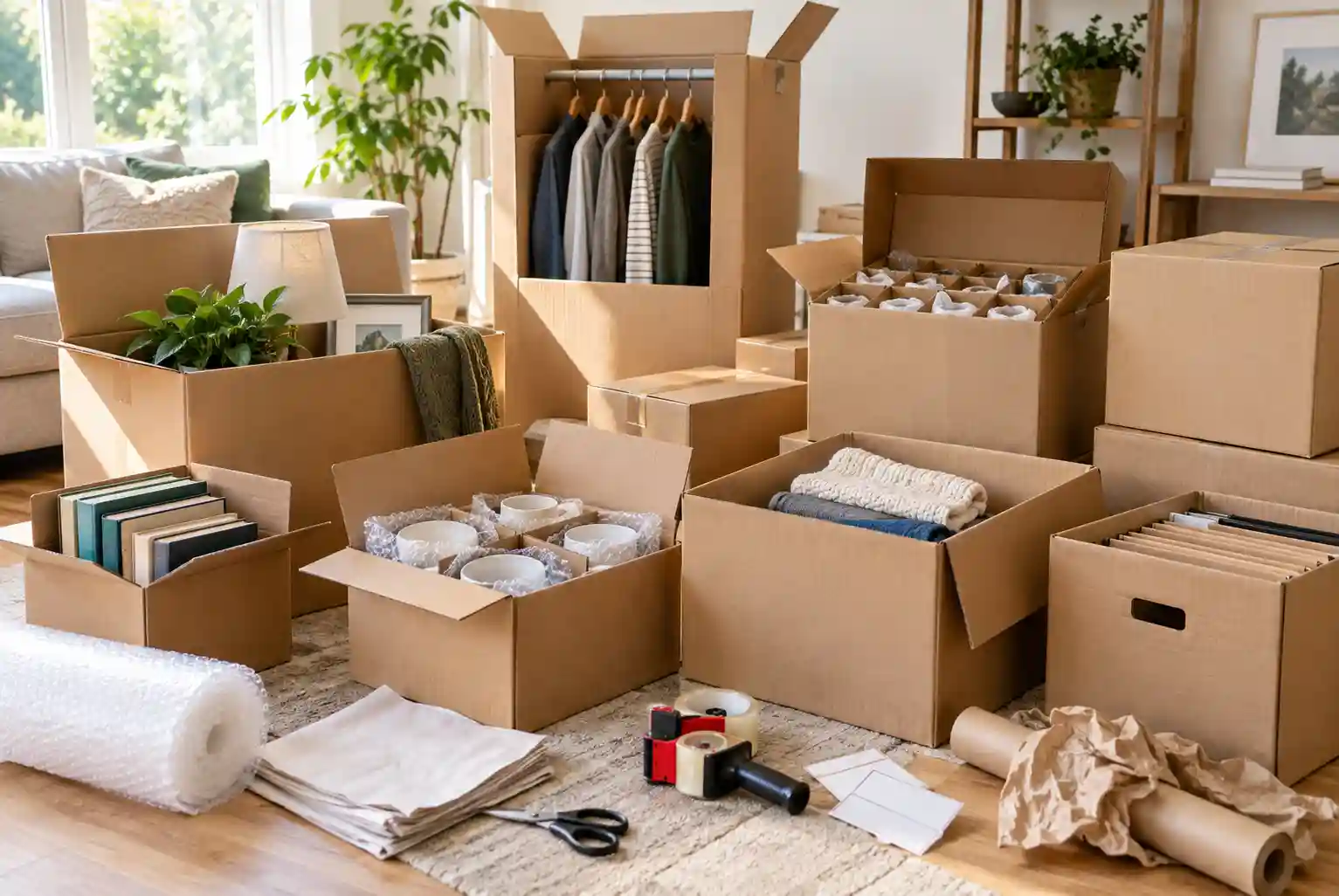
WHAT TYPE OF MOVING BOXES DO YOU NEED? A COMPLETE PACKING GUIDE
Choosing the right moving boxes can make packing safer and easier. This guide explains different moving box sizes, specialty boxes, packing tips, fragile item protection, labelling, and how to choose the best boxes for books, clothes, kitchen items, TVs, mirrors, and other household goods.
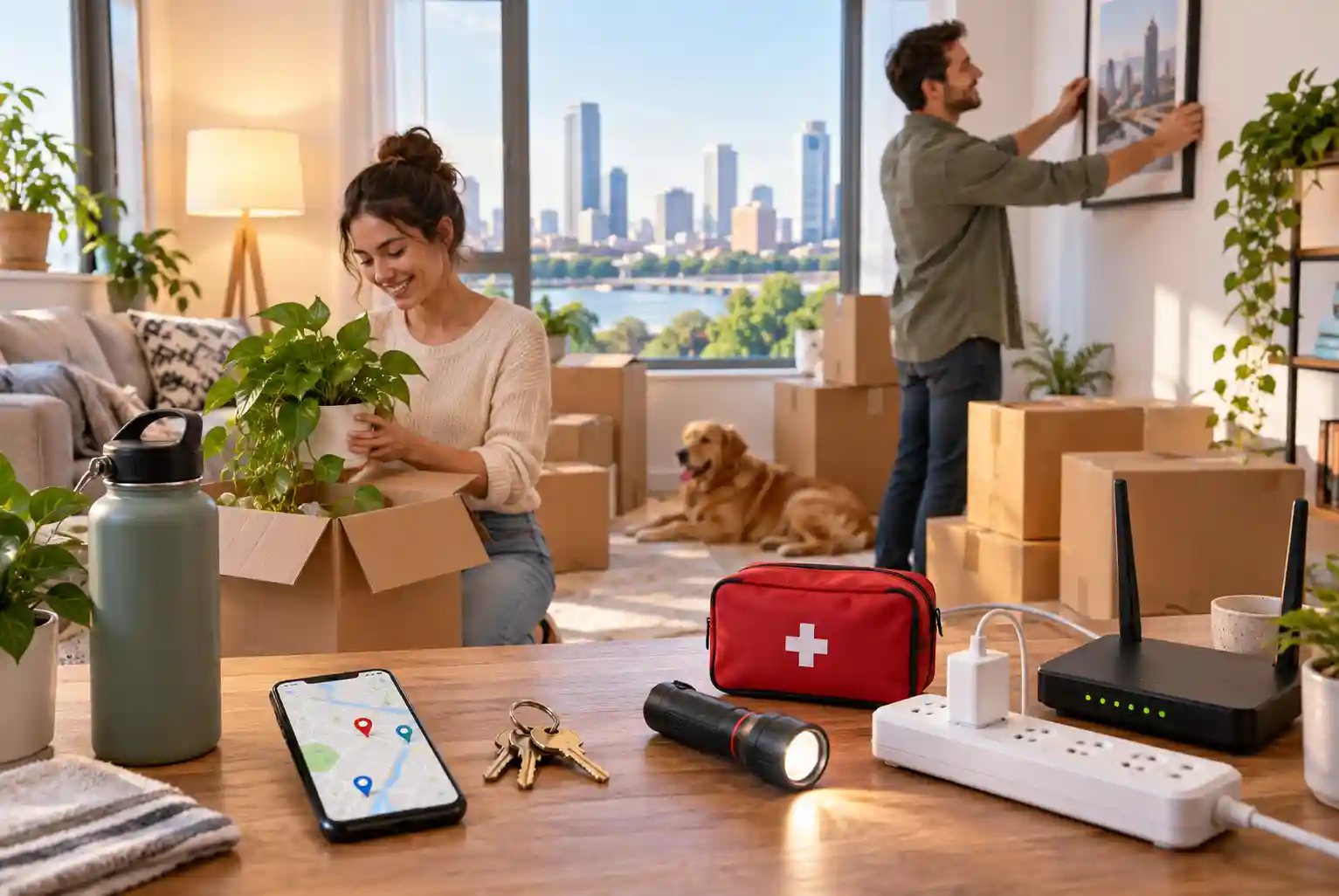
NEW CITY CHECKLIST: WHAT TO DO IN THE FIRST 72 HOURS AFTER MOVING
Just moved to a new city? The first few days can feel overwhelming, especially when you are dealing with utilities, internet setup, local services, neighborhood safety, and emergency contacts all at once. This practical first 72-hour checklist helps you prioritize the most important tasks, get essential services running, understand your surroundings, and settle into your new home with greater confidence and less stress.
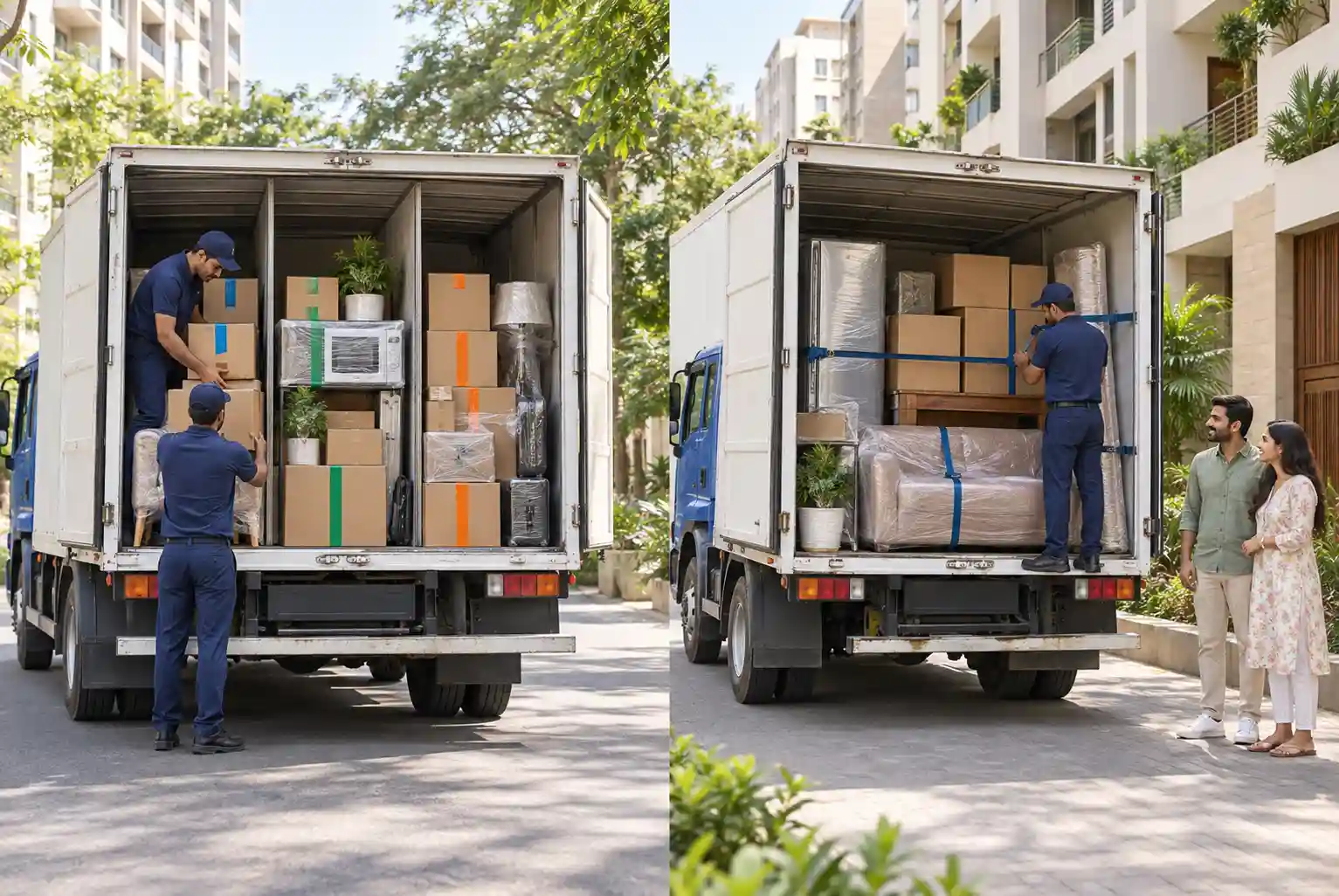
SHARED VS DEDICATED TRUCK: WHICH IS BETTER FOR HOUSE SHIFTING?
Choosing between a shared truck and a dedicated truck is one of the most confusing parts of house shifting. It affects your moving cost, delivery timeline, and how safely your goods reach your new home. In this guide, we break down the real differences between the two options, when each one makes sense, and how to decide what fits your budget and move size best.
 Post Feedback
 Gallery
 Awards & Media
 FAQ
FAQ CSR & Sustainability
.svg)